Same containment either way
Dark growth is contained, worked under filtered air and removed in bags, exactly as any sizeable job would be. There is no separate, more dramatic procedure for one species.
Dark growth on a wall worries people, and that worry is reasonable. Fort Lauderdale Mold Experts treats it the same careful way regardless of what a lab would call it, because the plan depends on how wet the material is, not on the color.
The name usually points to Stachybotrys chartarum, a greenish-black mold that grows on paper-faced drywall, cardboard and similar material that has stayed wet for a while. Plenty of other molds are dark too, and some Stachybotrys growth does not look black at all.
Mold in a building can irritate the eyes, nose, throat and skin, and people with asthma or allergies may react more. Nobody on a cleanup crew can tell you what a symptom means. If someone in the household is unwell, that is a question for a doctor.
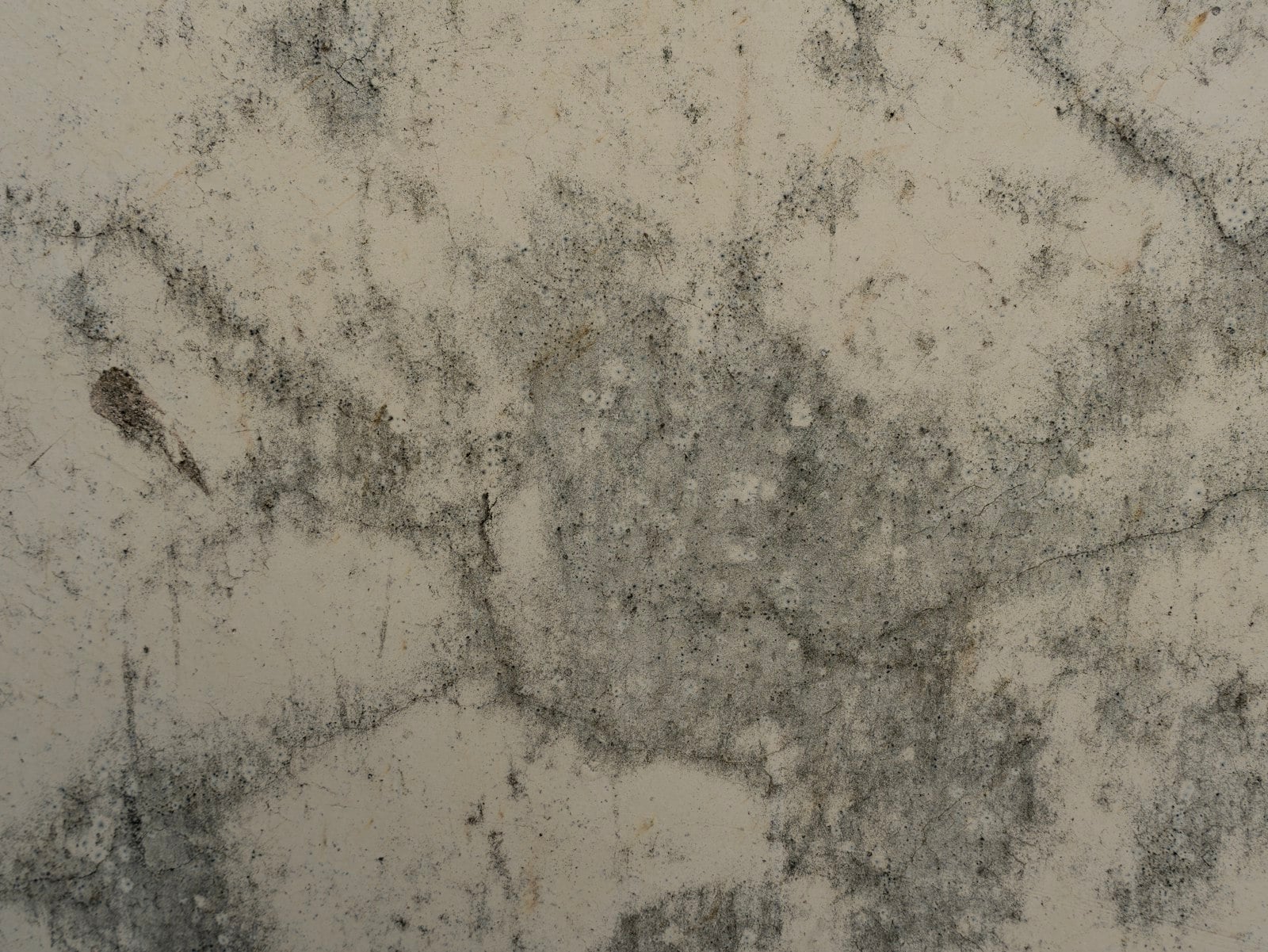
Because color is a poor guide to scope, the work is planned around the moisture survey and the material involved.
Dark growth is contained, worked under filtered air and removed in bags, exactly as any sizeable job would be. There is no separate, more dramatic procedure for one species.
Stachybotrys needs material that has been wet for days, so finding that water source usually explains how far the growth runs.
A sample can identify what is growing, which some households or condo associations want on paper. It will not change how carefully the material is removed.
No cleanup company can tell you a building is now safe for a particular person's health. What the paperwork can say is what was wet, what came out and what the readings were at the end.
Dark growth on bathroom grout in a shower that never dries is a very different job from dark growth on the back of a closet wall that has been quietly wet since the last big storm. The first may be a surface cleaning. The second is a removal job with containment.
Compare removal and remediation to see where the line usually falls, or read about the full removal process.
If the growth appeared after water came in, start with mold after water damage. If you just want to know what is behind the wall, book a mold inspection first.
It has a worse reputation than the evidence supports. Any sizeable amount of mold in a building can irritate the eyes, nose, throat and skin, and people with asthma or allergies may react more. Fort Lauderdale Mold Experts does not diagnose anyone; health questions belong with a doctor.
Only if somebody needs the name in writing, such as a condo association or a buyer. The cleanup itself is scoped from the moisture readings and the material, so a lab result rarely changes the plan. See mold inspection and testing.
Bleach on a porous surface mostly adds water to material that is already too wet, and the growth returns. Hard, non-porous surfaces are a different case. The real fix is removing the wet material and stopping the water.
The same things as any cleanup: how much material is affected, what it is made of, how hard it is to reach and what containment the property needs. Fort Lauderdale Mold Experts quotes it upfront after the inspection.
Tell us what you are seeing and where, so the right inspection can be planned.