Black Mold vs Mildew in Fort Lauderdale Homes
Black mold vs mildew comes down to depth: in Fort Lauderdale homes, mildew is a flat gray or white film that sits on wet surfaces and wipes away, while mold is fuzzy or slimy, often dark, and grows into the material. Clean small mildew yourself. If growth returns, spreads or smells musty, call to be connected with a local provider.
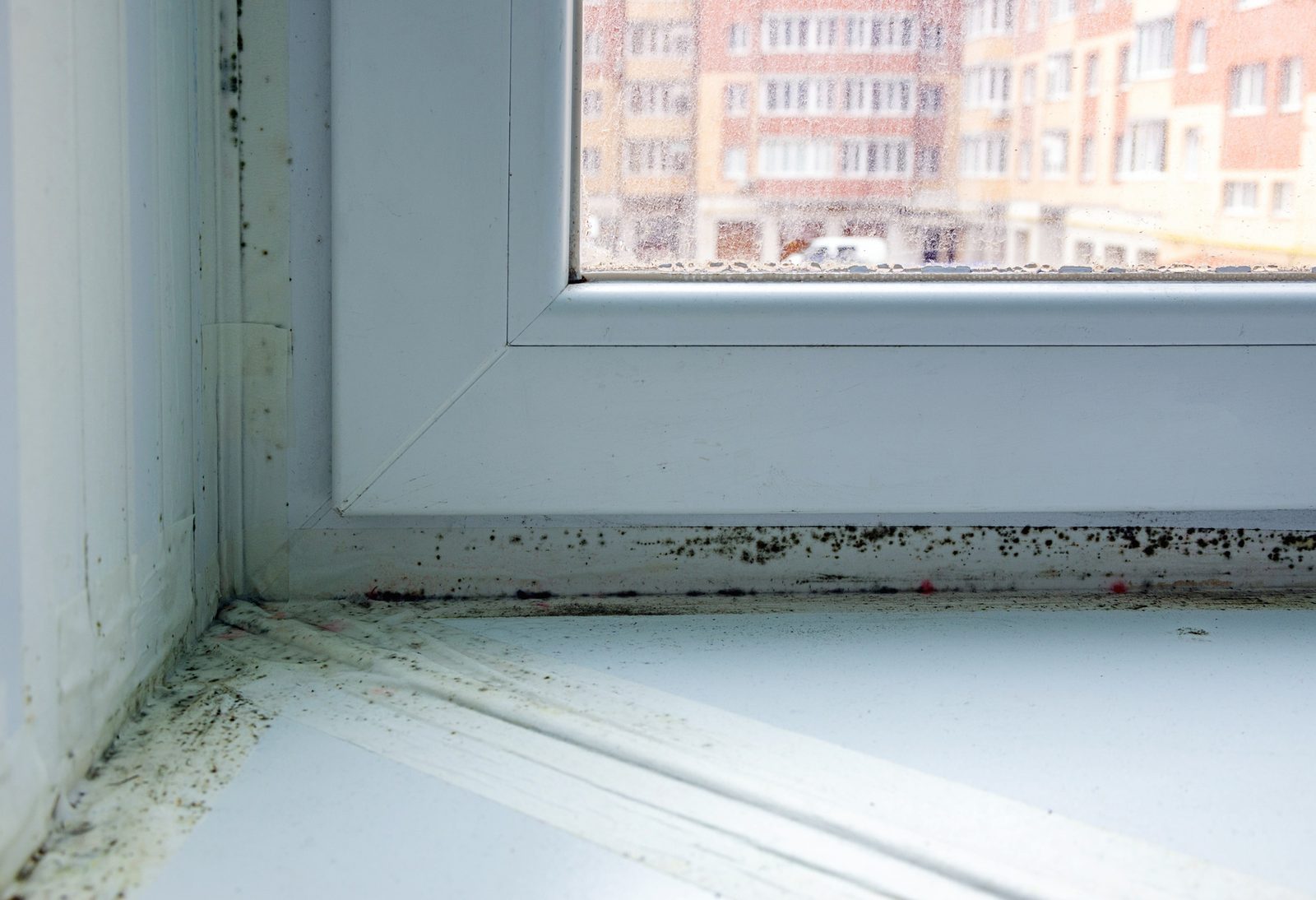
- Mildew is a type of mold that stays on the surface. Most of what people call "black mold" grows into grout, drywall, wood or fabric.
- Color alone does not tell you what kind of mold you have. Dark growth can be many common species.
- The Florida Department of Health does not recommend mold testing or sampling to see if you have a mold problem.
- The Florida Department of Health says most experts suggest indoor relative humidity below 60%, and below 50% to control both mold growth and dust mites.
- Under Florida law, mold assessment and mold remediation cover mold growth of more than 10 square feet.
What is the difference between black mold and mildew?
The difference between black mold and mildew in a Fort Lauderdale home is mostly how deep it goes. Mildew is a type of mold that grows flat on top of a damp surface, like a shower wall or a window sill. What people call black mold is dark mold that has rooted into a porous material such as grout, drywall, wood or carpet backing.
Both are fungi, and both need the same three things: moisture, something to feed on, and time. Mildew usually shows up first, because it only needs a damp surface. Deeper mold shows up when water has been soaking into a material for days or weeks.
That is why the question that matters most is not the name. It is whether the growth is sitting on top of a surface you can clean, or living inside a material that stays wet.
How can I tell if it is mold or mildew in my Fort Lauderdale home?
You can usually tell mold from mildew in a Fort Lauderdale home by looking, touching and watching what happens after you clean. Mildew is powdery or flat and wipes off. Mold is fuzzy, slimy or raised, stains what it grows on, and comes back in the same spot.
| Check | Mildew | Mold |
|---|---|---|
| Color | White, gray, or light yellow, turning darker over time | Black, dark green, brown, sometimes orange or pink |
| Texture | Flat, dusty or powdery | Fuzzy, slimy, or raised spots |
| Where | Smooth wet surfaces: tile, glass, sills | Porous materials: grout, drywall, wood, fabric |
| After cleaning | Wipes away, little stain left | Stain remains or spots return within weeks |
| Smell | Mild, damp | Strong, earthy, musty |
Use gloves and good airflow while you check. Do not sniff growth up close or scrape it dry, which can send spores into the air.
Is mildew just black mold in an early stage?
Not exactly. Mildew is a surface mold, and it can darken as it ages, but it does not simply turn into black mold. In Fort Lauderdale bathrooms, though, the same damp conditions that feed mildew on the surface can also let deeper mold take hold in grout and caulk.
Think of mildew as a warning light. If you keep wiping the same corner every week, the surface is staying wet too long. Left alone, moisture works into seams and porous spots, and that is where harder-to-remove growth starts. Fixing the dampness now is easier than chasing deeper growth later.
Need help now? Call to be connected with a local provider in Fort Lauderdale who can check availability for your address.
Does the color tell me if black mold is dangerous?
No. Color does not tell you which species you have or how much of a problem it is. Many common molds look black or dark green, and some mildew turns gray-black with age. Public health guidance treats all indoor mold growth the same way: find the moisture, clean or remove the growth, and keep the area dry.
The Florida Department of Health does not recommend mold testing or sampling to see if you have a mold problem. If you can see it or smell it, that is enough to act on. If you or someone in the home has allergies, asthma or other breathing concerns, ask a doctor for advice, and avoid doing the cleanup yourself.
For more background, see Black Mold: What You Need to Know.
Where do mold and mildew usually grow in South Florida homes?
In Fort Lauderdale and nearby Broward cities, mildew and mold grow wherever warm, humid air meets a surface that stays wet. The most common spots are:
- Bathrooms: shower walls, grout lines, caulk, ceilings above the shower, and under sinks. See bathroom and kitchen mold.
- Air conditioning: around air handlers, drain pans, supply vents and closets where cold surfaces sweat.
- Windows and sliding doors: sills and tracks where condensation and rain collect.
- Closets and cabinets: shoes, leather, clothing and boxes in closed, unvented spaces.
- Walls and baseboards: near roof leaks, plumbing leaks or past water intrusion.
Mildew tends to show up on the smooth surfaces in this list. Mold that roots in tends to show up in drywall, wood, fabric and anything that soaked up water.
Can I clean mildew or black mold myself?
Yes, for small areas. Mildew on tile, glass or a window sill can usually be cleaned with a household bathroom cleaner, a soft brush and a dry towel afterward. Small spots of surface mold on hard, non-porous materials can be handled the same way if you wear gloves and keep the room ventilated.
Do it yourself only when all of these are true:
- The area is small and on a hard surface you can scrub.
- You know where the moisture came from and have fixed it.
- Nobody doing the work has breathing concerns.
Never mix bleach with ammonia or other cleaners. Bleach can lighten a stain without removing growth that has rooted into grout or drywall. If moldy drywall, carpet or ceiling tile has soaked up water, it usually needs to be removed rather than cleaned.
When is it time to call about black mold vs mildew?
Call when the growth is bigger than you can clean in one easy pass, keeps returning, or points to hidden water. In Fort Lauderdale, these signs usually mean it is more than mildew:
- Spots come back within a few weeks of cleaning.
- A musty smell stays after you clean and air out the room.
- Drywall is soft, stained, bubbling or warped.
- Growth is near the air handler, vents or inside cabinets with plumbing.
- The area followed a roof leak, storm, flood or pipe leak.
- The patch is large. Under Florida law, mold assessment and remediation cover growth of more than 10 square feet.
Call to be connected with a local provider who can look at the moisture source and the extent of the growth. Learn more about black mold removal in Fort Lauderdale.
How do I stop mold and mildew from coming back?
Mold and mildew come back in Fort Lauderdale homes when the surface stays damp, so the fix is drying. The Florida Department of Health says most experts suggest indoor relative humidity below 60%, and below 50% to control both mold growth and dust mites. A simple hygrometer shows where your home sits.
- Run the bathroom fan during showers and for a while after.
- Squeegee shower walls and leave the door or curtain open to dry.
- Keep the air conditioning running and the drain line clear.
- Wipe window sills and sliding door tracks after rain.
- Leave space between furniture and exterior walls.
- Fix leaks right away. The Florida Department of Health advises drying wet building materials and carpets no more than 24 hours after they get wet.
What happens during the visit?
When you call, you are connected with a local provider who comes out to look at the growth and the area around it. A visit about mold or mildew in Fort Lauderdale usually follows this order:
- Inspection: a look at the visible growth, nearby materials and likely moisture sources, often with a moisture meter.
- Explanation of options: whether it looks like surface mildew you can keep up with, or mold that has rooted into materials that should be removed.
- Written quote before work: you get the scope in writing before anything starts, so you can decide.
Ask what is causing the moisture and what will keep it from returning. Timing depends on the provider and the job.
Why mold and mildew grow so fast in Fort Lauderdale
Fort Lauderdale homes deal with moisture most of the year. The National Weather Service in Miami defines the South Florida wet season as May 15th to October 15th, the time of year when 60-70% of the average yearly rainfall occurs. The Atlantic hurricane season runs from June 1 to November 30, so storm-driven roof and window leaks can follow the summer rains.
Water also sits close to the surface here. The City of Fort Lauderdale says its low elevation and extensive waterways make it highly vulnerable to king tides and sea-level rise, and that high groundwater levels after rain can increase the chance of localized flooding during high tides. Damp air and wet ground make it harder for walls, slabs and closets to dry out.
Owners in Plantation, Davie, Oakland Park and Wilton Manors often notice mildew turning into deeper mold after the wet season. If yours keeps returning, call to be connected with a local provider, or see our Plantation and service areas pages.
Related pages
Questions people ask
What is the difference between black mold vs mildew?
Mildew is a flat surface mold that wipes off, while black mold usually means dark growth rooted into grout, drywall or wood. In Fort Lauderdale homes, mildew is the early warning and rooted mold is the harder problem.
How do I know if it's mold or mildew on my bathroom ceiling?
Wipe a small spot with a damp cloth and bathroom cleaner. If it comes off clean and stays gone, it is likely mildew. If it stains, looks fuzzy or returns within weeks, it is likely mold in the paint or drywall.
Is mildew the same thing as mold?
Mildew is a kind of mold. The word is usually used for flat, light-colored growth that stays on the surface instead of growing into the material.
Can mildew turn into black mold if I ignore it?
Mildew itself does not change species, but the damp conditions that feed it also let deeper mold grow. Fixing the moisture early keeps both from spreading.
Is black mold more dangerous than mildew?
Color does not tell you how risky growth is. Public health guidance says to treat all indoor mold the same: fix the moisture and clean or remove the growth. Talk to a doctor if you have health concerns.
Does black mold always mean it's toxic mold?
No. Many common molds are dark, and you cannot tell the species by color. The Florida Department of Health does not recommend testing to see if you have a mold problem.
Should I test black spots to find out if they are mold or mildew?
Usually not. The Florida Department of Health does not recommend mold testing or sampling to see if you have a mold problem. Visible growth and a musty smell are enough to act on.
Does the bleach test really tell mold from mildew?
Not reliably. Bleach can lighten both, and a lighter stain does not mean growth inside grout or drywall is gone. Watch whether it comes back instead.
What does mildew smell like compared to mold?
Mildew has a mild, damp smell. Mold usually smells stronger, earthy and musty, and the smell often lingers after you clean and air out the room.
Why do I keep getting mildew on my window sills in Fort Lauderdale?
Cold glass from the air conditioning meets humid outdoor air and sweats, and rain collects in sills and tracks. Wipe them dry, keep the AC running, and check that the weep holes in sliding door tracks are clear.
Can mildew grow on clothes and shoes in a closet?
Yes. Closed closets in South Florida stay humid, and leather, shoes and stored clothes mildew easily. Keep doors open when you can, run the AC, and do not store anything damp.
Is it mold or mildew around my AC vents?
Dark spots around supply vents are often mildew or dust feeding on condensation. If they return quickly or the air smells musty, the duct or air handler may have moisture inside and should be checked.
How much mold is too much to clean myself in Florida?
Keep DIY to small areas on hard surfaces. Under Florida law, mold assessment and remediation cover growth of more than 10 square feet, which is a good point to call for help.
Can I clean black mold off drywall or wood?
Usually not for good. Mold that has grown into drywall or soft wood tends to come back, and those materials are normally removed and replaced once the moisture is fixed.
What humidity level keeps mildew away in a Florida home?
The Florida Department of Health says most experts suggest indoor relative humidity below 60%, and below 50% to control both mold growth and dust mites.
Is it safe to sleep in a room with mildew or black mold?
For small spots of mildew, cleaning and drying the room is usually enough. For large or spreading growth, or if someone has breathing concerns, ask a doctor and have the area looked at.
Does homeowners insurance cover mold or mildew in Florida?
It depends on your policy and how the damage happened. Many policies treat sudden damage differently from gradual leaks, so check your policy and document everything.
Do I need a licensed company for black mold in Fort Lauderdale?
Florida's DBPR licenses mold assessors and remediators as individuals. A residential owner working on his or her own property is exempt, but for larger jobs you can check a provider in DBPR's Verify a License search.
What happens when I call about black mold vs mildew in my home?
You are connected with a local provider in the Fort Lauderdale area who inspects the growth and moisture source, explains your options, and gives a written quote before any work begins.
Talk to someone about your mold problem
Call to be connected with a local provider who can check availability for your address and explain the next step.