Attic Mold Removal in Fort Lauderdale After Storms
Attic mold removal in Fort Lauderdale is often needed after the wet season, when roof leaks, storm-driven rain and trapped humid air keep roof decking and insulation damp. Late fall is a smart time to look up there. If you find stains, growth or a musty smell, call to be connected with a local provider.
- NWS Miami defines the South Florida wet season as May 15th to October 15th, when 60-70% of the average yearly rainfall occurs.
- The official Atlantic hurricane season runs from June 1 to November 30, with a peak on September 10.
- Attic mold usually grows on the underside of the roof decking, on rafters and in insulation where a leak or damp air keeps them wet.
- The Florida Department of Health advises drying wet building materials and carpets no more than 24 hours after they get wet.
- Under Florida law, mold assessment and mold remediation cover mold growth of more than 10 square feet.
Why check for attic mold after the wet season ends?
Checking for attic mold after the wet season ends makes sense because months of heavy rain and storms give small roof leaks time to soak wood and insulation. Many attic leaks are slow and quiet. By late fall, a drip that started in summer can leave dark stains or growth on the roof decking that nobody has seen yet.
Fall is also a cooler time to go into a South Florida attic, and a check now catches problems before the next rainy season.
What causes attic mold in South Florida homes?
Attic mold in South Florida homes is caused by moisture that reaches the roof decking, rafters or insulation and does not dry out. In this climate, the water usually comes from rain getting past the roof, warm humid air meeting cool surfaces, or vents that dump damp air into the attic instead of outside.
Common sources include:
- Roof leaks around flashing, vents, skylights or damaged roofing after a storm
- Wind-driven rain pushed in through soffits or ridge vents
- Bathroom or dryer exhaust fans that end in the attic instead of outside
- AC air handlers and ducts in the attic that sweat or leak
- A clogged AC condensate line or an overflowing drain pan
- Blocked soffit vents that stop the attic from drying
What are the signs you need attic mold removal?
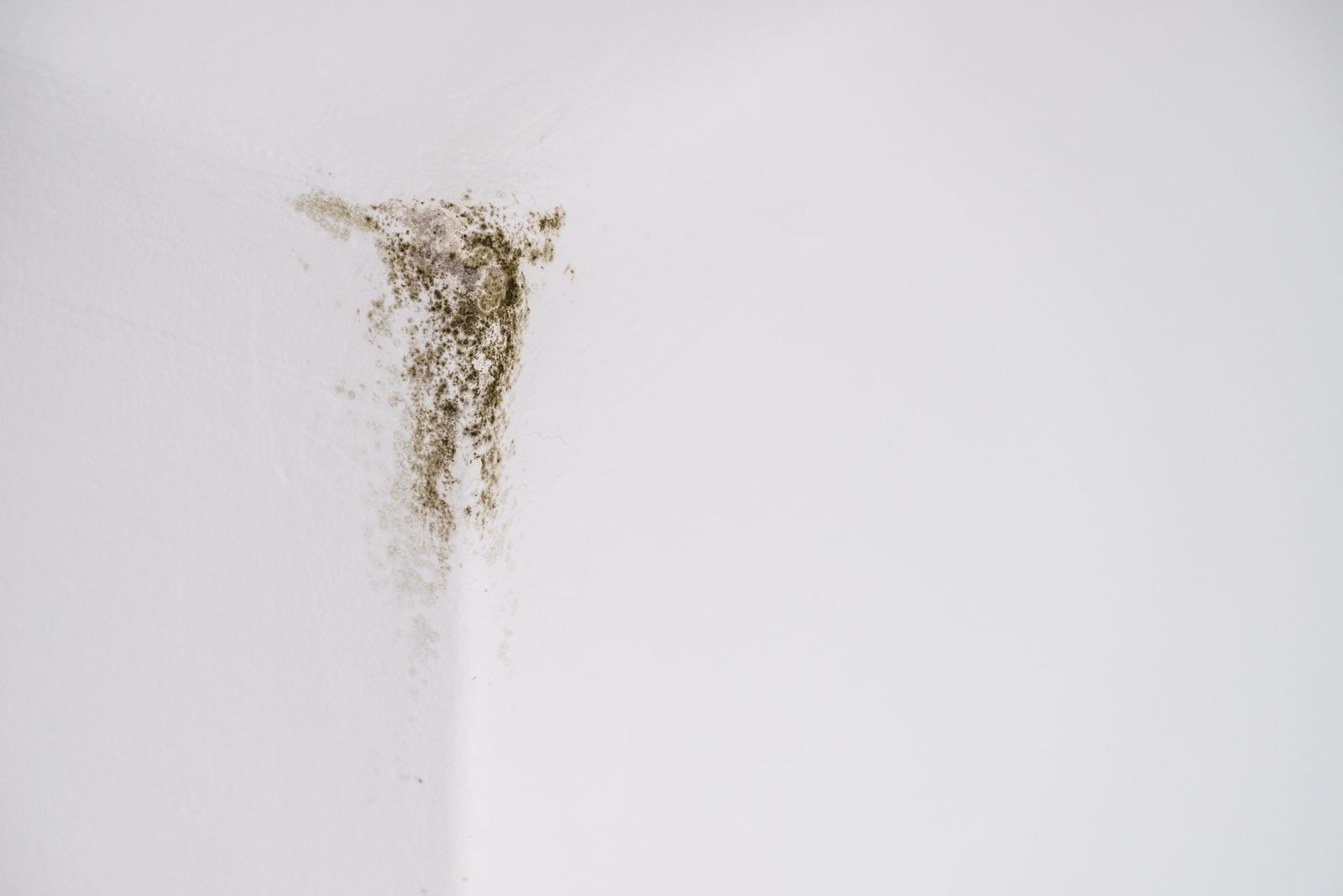
The signs you need attic mold removal are dark staining or fuzzy growth on the underside of the roof decking, damp or matted insulation, a musty smell near ceiling vents or the attic hatch, and water stains on the ceiling below. Rusty nail tips poking through the decking are another clue that moisture is building up.
Inside the home, watch for:
- Brown rings or spots on ceilings, often near outside walls
- Peeling paint or bubbling drywall tape on the ceiling
- A stale smell that gets stronger when the AC runs
For more clues that mold may be hiding, see signs of hidden mold.
Need help now? Call to be connected with a local provider in Fort Lauderdale who can check availability for your address.
How can I safely look in my attic for mold?
You can safely look in your attic for mold by going up on a cool morning, using a bright flashlight, and staying on the joists or walkway boards. Look at the underside of the roof decking, around vents and pipes that go through the roof, and around the AC air handler. Do not touch or scrape anything you find.
A few tips:
- Wear a dust mask, gloves and eye protection.
- Never step between joists. The ceiling below will not hold your weight.
- Take photos of stains, growth and wet spots so you have a record.
- If the attic has very little headroom, skip it and let someone with the right gear look.
Can I clean attic mold myself, or should I call someone?
Small spots of attic mold near the hatch can sometimes be handled by a careful owner, but attic mold is usually spread across the roof decking, hard to reach and mixed into insulation. When the area is large or the source is unclear, it makes sense to call to be connected with a local provider in Fort Lauderdale.
Florida law says a residential property owner who does mold assessment or remediation on his or her own property is exempt from the state's mold licensing rules. That does not make every attic job a safe DIY job. Scraping or sanding moldy wood overhead can spread dust and spores through the attic and into the ducts. Never mix bleach with ammonia or other cleaners.
How does attic mold removal work?
Attic mold removal usually starts with stopping the moisture, then removing wet or moldy insulation, cleaning the roof decking and framing, and drying the attic. The aim is to leave the wood clean and dry and to fix whatever let water in, not just to cover up the stains.
A typical scope can include:
- Fixing the roof leak or vent problem, often with a roofer
- Setting up containment so dust does not fall into living spaces
- Removing damaged insulation and debris
- Cleaning mold from decking, rafters and trusses
- Drying the attic and checking moisture levels
- Rerouting exhaust fans outside or fixing attic venting
The attic mold remediation page covers the full service in more detail.
Should I fix the roof before attic mold removal?
Yes, in most cases the leak should be stopped before or during attic mold removal. If water keeps coming in, new mold can grow on clean wood. Many owners line up a roof repair and the mold work so they happen in the right order.
If a storm caused the leak, take photos of the roof, the attic and the ceilings before anything is removed. Many policies treat sudden damage differently from gradual leaks, so check your policy and document everything. Our page on mold after water damage explains more about water-related mold.
Can attic mold get into my AC ducts?
Attic mold can reach your AC system when the air handler or ducts sit in the attic and pull in air through gaps or leaky joints. A sweating duct or wet drain pan can also grow mold of its own. If your vents smell musty, ask to have the ducts and air handler checked along with the attic.
See HVAC and duct mold cleaning for how that work is handled.
What happens during the visit?
When you call, you are connected with a local provider who looks at the attic and the rooms below it. A visit for attic mold in Fort Lauderdale usually goes like this:
- Inspection: a look at the roof decking, rafters, insulation, vents, exhaust fans and AC equipment, with moisture readings where needed.
- Explanation of options: where the water is coming from, what material needs to come out, and what can be cleaned and dried in place.
- Written quote before work: you get the scope in writing before anything starts, so you can decide with no pressure.
Ask how they plan to keep moisture from coming back. Timing depends on the provider and the size of the job.
Why Fort Lauderdale attics take a beating each storm season
Fort Lauderdale roofs face long stretches of rain and wind every year. The National Weather Service in Miami defines the South Florida wet season as May 15th to October 15th, the time of year when 60-70% of the average yearly rainfall occurs. The official Atlantic hurricane season runs from June 1 to November 30, and the National Hurricane Center says it peaks on September 10, with most activity between mid-August and mid-October.
Broward County is in the High-Velocity Hurricane Zone (HVHZ) section of the Florida Building Code, the strong hurricane provisions South Florida adopted in response to Hurricane Andrew. Even so, flashing, vents and older roofs can still let water in during a long storm.
The Florida Department of Health advises drying wet building materials and carpets no more than 24 hours after they get wet, which is hard to do in a hot attic you rarely visit. If you live in Fort Lauderdale, Plantation, Davie or Coral Springs and notice ceiling stains or a musty attic, call to be connected with a local provider. You can also visit our Plantation and service areas pages.
Related pages
Questions people ask
How do I know if I need attic mold removal in Fort Lauderdale?
You likely need attic mold removal if you see dark staining or growth on the roof decking, wet or matted insulation, or ceiling stains below the attic. A musty smell near the attic hatch or ceiling vents is another sign.
What does mold on attic plywood look like?
Attic mold on plywood often looks like gray, green or black spotting or a dark smudge across the underside of the roof decking. It is often heaviest near vents, along the eaves or around roof penetrations.
Is it normal to have some black stains on my attic plywood?
Not always. Some dark marks are old water stains or wood discoloration, but spreading spots or fuzzy texture usually mean mold. Look for moisture and have it checked if you are unsure.
Can a roof leak from a hurricane cause mold in my attic?
Yes. Rain that gets past the roof during a hurricane or tropical storm can soak decking and insulation, and mold can grow if they stay wet. Taking photos and drying things out quickly helps.
How soon after a roof leak does mold start growing in the attic?
There is no exact clock, but the Florida Department of Health advises drying wet building materials no more than 24 hours after they get wet. The longer wood and insulation stay wet, the more chance mold has to grow.
Why does my attic get moldy even though my roof doesn't leak?
Attic mold without a roof leak usually comes from humid air, bathroom or dryer fans that vent into the attic, or AC ducts and equipment that sweat. Blocked soffit vents can make it worse by trapping moisture.
Do bathroom exhaust fans that vent into the attic cause mold?
They can. A fan that ends in the attic blows warm, wet air onto the roof decking, which is a common cause of attic mold. The fan duct should run to the outside.
Does wet attic insulation need to be replaced?
Insulation that got soaked or has mold on it is usually removed and replaced, since it holds water and is hard to clean. Dry insulation with no growth may be left in place.
Can I spray bleach on mold in my attic?
Bleach is not a good choice for attic wood. It does not soak into the wood, it adds more moisture, and it does nothing about the water source. Never mix bleach with ammonia or other cleaners.
Is attic mold dangerous if I never go up there?
Mold in the attic can still affect the home if air moves from the attic into living spaces or the AC system. Public health agencies advise fixing the moisture and cleaning up the mold. Talk with a doctor about health concerns.
Should I get my attic checked for mold before hurricane season starts?
A check before June 1 can catch weak spots and old leaks, and a check after the season helps find new damage. Late fall, once the wet season is over, is a practical time for a look.
Does homeowners insurance pay for attic mold after a storm in Florida?
It depends on your policy and the cause. Many policies treat sudden damage differently from gradual leaks, so check your policy and document everything. The Florida Insurance Consumer Helpline can answer general questions.
How long do I have to file a roof leak claim in Florida?
Under section 627.70132, Florida Statutes, a new or reopened property insurance claim is barred unless notice is given within 1 year after the date of loss. This is general information, not legal advice.
Do I need a licensed company for attic mold removal in Florida?
Florida's mold licensing rules cover mold assessment and remediation of more than 10 square feet, and DBPR licenses individuals rather than businesses. You can check a person's license in DBPR's Verify a License search.
Do I need a mold test before attic mold removal?
Usually not if the mold is visible. The Florida Department of Health does not recommend mold testing or sampling to see if you have a mold problem, though an assessment can help define the scope.
Will attic mold come back after it's removed?
Attic mold comes back when the moisture source is not fixed. Stopping leaks, venting fans outside and keeping the attic able to breathe are what keep the wood dry.
What happens when I call about attic mold removal?
You are connected with a local provider in Fort Lauderdale who inspects the attic, explains your options and gives you a written quote before any work starts.
Talk to someone about your mold problem
Call to be connected with a local provider who can check availability for your address and explain the next step.