Black Mold in Shower in Fort Lauderdale Homes
Black mold in shower grout, caulk or silicone is common in Fort Lauderdale homes because bathrooms stay damp in our humid air. Small surface spots can often be cleaned and the seal replaced. If it keeps coming back, spreads past the tile, or the wall feels soft, call to be connected with a local provider.
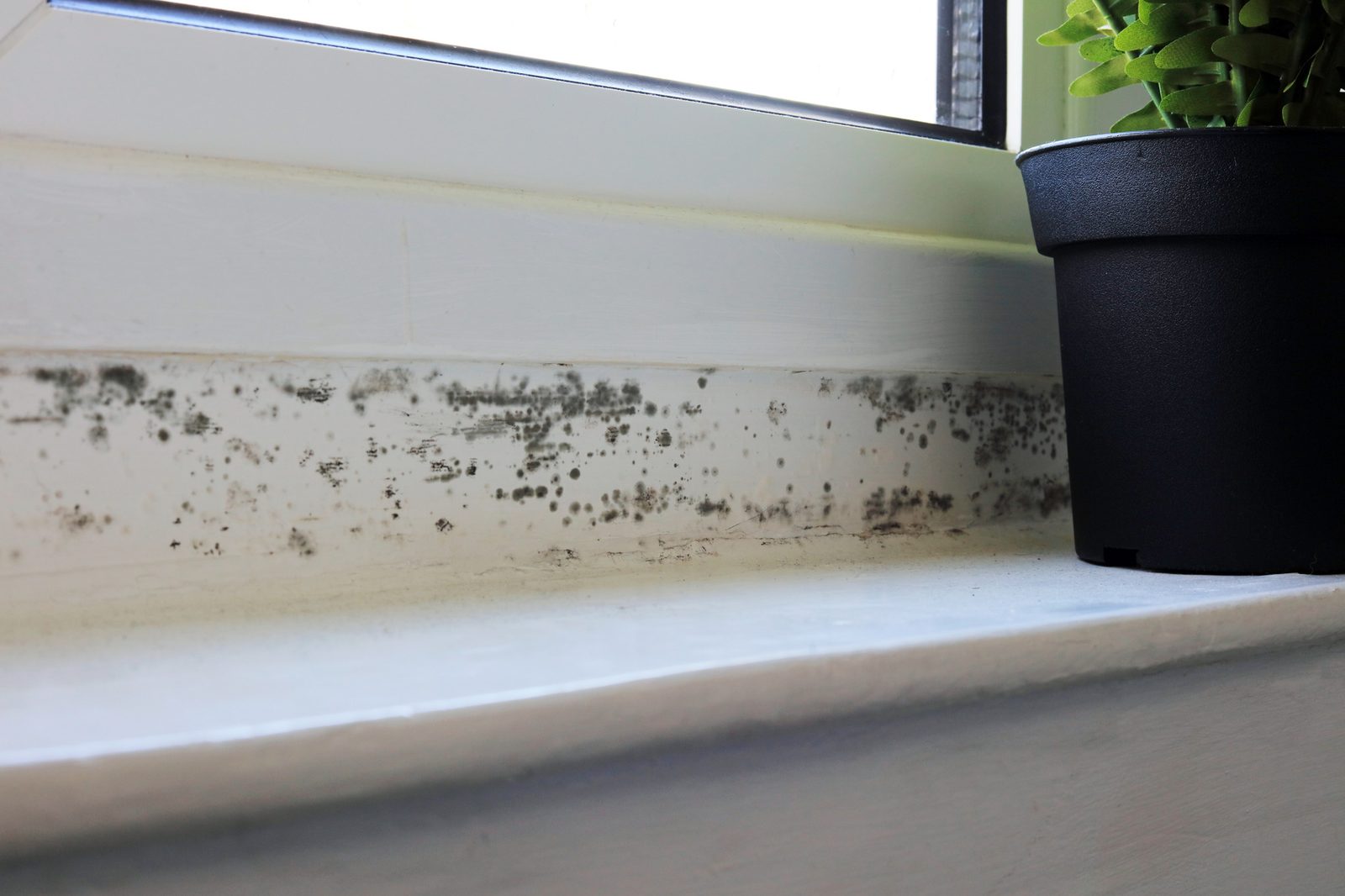
- Most shower mold in Fort Lauderdale grows on grout lines, caulk and silicone seals, where water sits after every use.
- The Florida Department of Health says most experts suggest indoor relative humidity below 60%, and below 50% for controlling mold growth and dust mites.
- The Florida Department of Health does not recommend mold testing to see if you have a mold problem; visible mold is the problem to fix.
- Under Florida law, mold assessment and remediation cover mold growth of more than 10 square feet.
- Mold that returns within weeks of cleaning often means water is getting behind the tile or the room is not drying.
Why do I have black mold in my shower in Fort Lauderdale?
Black mold in a shower in Fort Lauderdale grows because the shower stays wet and the air around it stays humid. Every shower leaves water in grout lines and along caulk joints. In South Florida, that water dries slowly, so mold has time to settle in and grow before the surface ever fully dries.
The usual causes are simple:
- No exhaust fan, a weak fan, or a fan that is turned off right after the shower
- Porous grout that was never sealed, or a sealer that has worn off
- Old caulk or silicone that has pulled away from the tub or tray
- Bottles, mats and closed glass doors that trap water and steam
Black mold is a common name for mold that looks dark. The color alone does not tell you the type, and the cleanup steps are the same. For a broader look, see Black Mold: What You Need to Know.
Is black mold in shower grout and caulk just on the surface?
Often, yes. Black mold in shower grout or on the top layer of caulk is usually a surface problem that cleaning can handle. Mold that grows inside silicone, under caulk, or behind tile is different, because cleaning the face will not reach it and it comes right back.
Signs it is likely surface only:
- Spots wipe lighter with a scrub brush
- Grout is firm and tiles do not move
- The rest of the bathroom wall looks normal
Signs it may be deeper:
- Black streaks under clear silicone that do not change when scrubbed
- Loose or hollow-sounding tiles, cracked grout or missing grout
- Soft drywall, peeling paint or stains on the wall behind the shower or in the next room
- A musty smell that stays even after the shower is clean
How do you clean black mold in a shower safely?
To clean black mold in a shower, open a window or run the fan, wear gloves and eye protection, and scrub the grout with a household cleaner and a stiff brush. Rinse, then dry the area fully. Never mix bleach with ammonia or other cleaners, because the fumes are dangerous.
- Remove bottles, mats and caddies so you can reach every corner.
- Spray the cleaner on grout and tile and let it sit as the label directs.
- Scrub with a grout brush, working top to bottom.
- Rinse and wipe dry with a towel or squeegee.
- Leave the fan running and the door open until the shower is dry.
If you have breathing concerns, call to be connected with a local provider instead.
Need help now? Call to be connected with a local provider in Fort Lauderdale who can check availability for your address.
How do you remove black mold from shower silicone that will not come clean?
To remove black mold from shower silicone or caulk that stays stained, cut the old bead out completely, clean the joint, let it dry, and apply fresh mildew-resistant sealant. Mold that has grown into silicone cannot be scrubbed out, so replacing the bead is the real fix.
Clean and dry the gap well before sealing; in a humid Fort Lauderdale bathroom, give it extra time. If you find wet backer board, soft wood or mold behind the old bead, stop there. That points to water getting into the wall, which is more than a caulk job.
When is black mold in a shower a sign of a hidden leak?
Black mold in a shower points to a hidden leak when it keeps returning in the same spot, spreads outside the tile, or shows up on the other side of the wall. A failed shower pan, cracked grout, a loose valve trim or a leaking supply line can all keep the wall wet from the inside.
Check the wall behind the shower, the closet or room next door, and the ceiling below if the bathroom is upstairs. Stains, bubbling paint or a musty smell there are good reasons to stop cleaning and get the area looked at. Our page on signs of hidden mold lists other clues. Once water is inside the wall, the moisture source has to be found and fixed first, or new mold grows back.
Can I handle shower mold myself, or should I call someone?
You can usually handle small surface spots of shower mold yourself in Fort Lauderdale. Call to be connected with a local provider when mold covers a large area, is behind tile or drywall, keeps coming back, or follows a leak. Under Florida law, mold assessment and remediation cover growth of more than 10 square feet.
Florida law also exempts a residential property owner who does mold assessment or remediation on his or her own property from the state's mold licensing rules. That does not mean every job is a safe DIY job. If you hire someone, Florida licenses mold assessors and remediators as individuals, and you can look one up in the Department of Business and Professional Regulation's "Verify a License" search.
For bigger jobs, see bathroom and kitchen mold removal or black mold removal.
How do you stop black mold in shower grout from coming back?
To stop black mold in shower grout from coming back, dry the shower after each use and keep bathroom humidity down. The Florida Department of Health says most experts suggest indoor relative humidity below 60%, and below 50% for controlling mold growth and dust mites.
- Run the exhaust fan during the shower and for a while after.
- Squeegee walls and glass, then leave the door or curtain open.
- Seal grout once it is clean and fully dry, and reseal it over time.
- Replace caulk or silicone at the first sign of gaps or dark spots.
- Keep the air conditioning running so it can pull moisture from the air.
For whole-home tips, read preventing mold in a humid climate.
Do I need mold testing for black mold in my shower?
Usually not. If you can see black mold in your shower, you already know there is mold, and the Florida Department of Health does not recommend mold testing or sampling to see if you have a mold problem. The next step is finding the moisture and cleaning or removing what is affected.
If mold may be hidden inside a wall or you are selling, the mold inspection and testing page explains what an assessment covers.
What happens during the visit?
When you call, you are connected with a local provider who comes out to look at the shower and the areas around it. A visit for shower mold in Fort Lauderdale usually follows the same order:
- Inspection: a look at the grout, caulk, tile and surrounding walls, and a check for moisture behind the shower.
- Explanation of options: whether the mold looks like a surface issue, a seal that needs replacing, or a wall that needs to be opened.
- Written quote before work: you get the scope in writing before anything starts, so you can decide.
Ask questions about the moisture source and what will keep the mold from coming back. Timing depends on the provider and the job.
Why shower mold is so common in Fort Lauderdale homes
Fort Lauderdale bathrooms fight humidity most of the year. The National Weather Service in Miami defines the South Florida wet season as May 15th to October 15th, the time of year when 60-70% of the average yearly rainfall occurs. Hurricane season runs from June 1 to November 30, so storms can add roof and window leaks on top of everyday shower moisture.
Water also lingers at ground level. The City of Fort Lauderdale says high groundwater levels after rain can increase the chance of localized flooding during high tides, and its low elevation and waterways make it vulnerable to king tides. Damp air and wet ground make it harder for a bathroom to dry out between showers.
The Florida Department of Health advises drying wet building materials no more than 24 hours after they get wet. That is a good rule for a shower wall too. Owners in Wilton Manors, Oakland Park, Plantation and Hollywood often see shower mold after the wet season. If yours keeps coming back, call to be connected with a local provider, or see our Pompano Beach and service areas pages.
Related pages
Questions people ask
What causes black mold in shower grout in Fort Lauderdale?
Water left in grout and caulk after each shower, plus humid air that slows drying. In Fort Lauderdale, weak ventilation and unsealed grout are the most common reasons.
How do I clean black mold in my shower without damaging the grout?
Use a household cleaner made for bathrooms and a stiff nylon brush, not a wire brush. Follow the label, rinse well, and dry the area so the mold does not return right away.
How do I remove black mold from shower caulk or silicone?
Cut out the old bead and replace it. Mold that grows into silicone does not scrub out, so new mildew-resistant sealant on a clean, dry joint is the lasting fix.
Is black mold in the shower dangerous?
Mold can bother some people, and public health agencies advise cleaning it up and fixing the moisture. If you have health concerns, talk with a doctor; this page does not give medical advice.
Why does black mold keep coming back in my shower after I clean it?
Usually because the shower never fully dries or water is getting behind the tile or caulk. Better ventilation helps the first problem; the second needs the leak or failed seal fixed.
Can black mold grow behind shower tile?
Yes. Cracked grout, failed caulk or a leaking shower pan can let water into the wall, and mold can grow on the backer board or drywall behind the tile.
How can I tell if shower mold is behind the wall?
Look for loose or hollow tiles, soft drywall, peeling paint, or stains on the other side of the wall. A musty smell that stays after cleaning is another sign.
Should I use bleach on black mold in my shower?
Many people do on hard tile, following the label, but never mix bleach with ammonia or other cleaners. Bleach does not reach mold inside silicone or behind tile.
What humidity level stops mold in a Fort Lauderdale bathroom?
The Florida Department of Health says most experts suggest indoor relative humidity below 60%, and below 50% for controlling mold growth and dust mites.
Do I need a mold test if I can see black mold in my shower?
Usually not. The Florida Department of Health does not recommend mold testing or sampling to see if you have a mold problem; fix the moisture and clean or remove the mold.
When should I call someone about black mold in my shower?
Call when the mold covers a large area, keeps coming back, is behind tile, or follows a leak. You can call to be connected with a local provider in Fort Lauderdale.
Does Florida require a license to remove mold in a shower?
Florida's mold licensing rules cover mold assessment and remediation of more than 10 square feet. A residential owner working on his or her own property is exempt.
How can I check if a Florida mold remediator is licensed?
Use the Department of Business and Professional Regulation's "Verify a License" search. Florida licenses mold assessors and remediators as individuals, not businesses.
Can I just paint or caulk over black mold in my shower?
No. Covering mold hides it but does not remove it, and it often shows through again. Clean or remove the mold and fix the moisture first.
Why does my Fort Lauderdale bathroom get more mold in the summer?
The South Florida wet season runs from May 15th to October 15th, so the air stays damp and bathrooms dry slowly. That is when shower mold tends to show up.
What happens when I call about black mold in my shower?
You are connected with a local provider who inspects the shower, explains your options, and gives you a written quote before any work starts.
Talk to someone about your mold problem
Call to be connected with a local provider who can check availability for your address and explain the next step.