Is Black Mold Dangerous in Fort Lauderdale?
Is black mold dangerous? In a Fort Lauderdale home, any mold growing indoors is a sign of a moisture problem that should be fixed, no matter its color. Color does not tell you the type. Health questions belong with your doctor. For the mold itself, find the water, dry it, and call to be connected with a local provider.
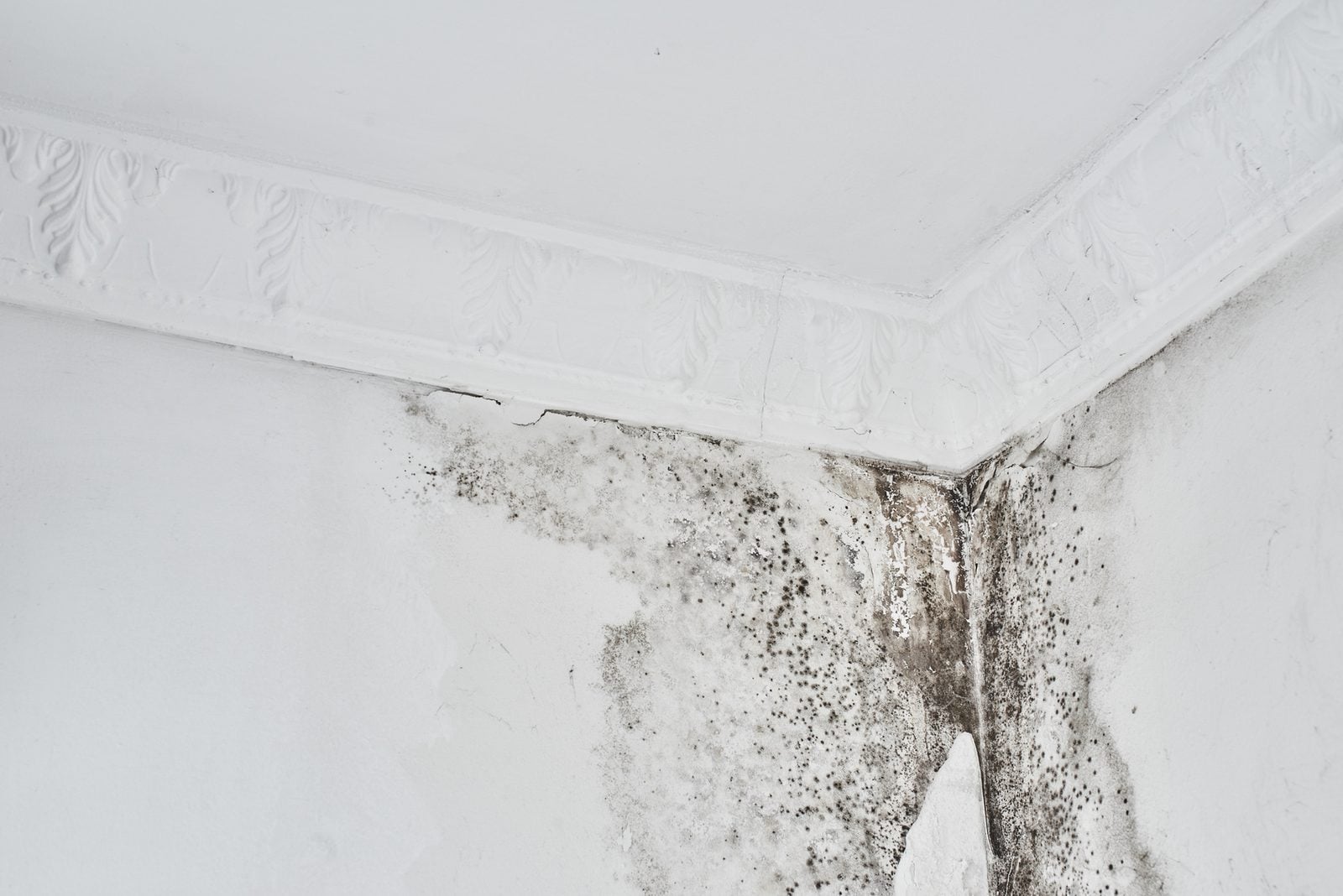
- "Black mold" is a common name, not a test result. Many kinds of mold look dark, and color alone does not tell you which kind you have.
- This guide does not give medical advice. If you or anyone in your home has health concerns, talk to a doctor.
- The Florida Department of Health does not recommend mold testing or sampling to see if you have a mold problem.
- The Florida Department of Health advises cleaning up spills and drying wet building materials and carpets no more than 24 hours after they get wet.
- The Florida Department of Health says most experts suggest indoor relative humidity below 60%, and below 50% for controlling both mold growth and dust mites.
Is black mold dangerous?
Black mold in a Fort Lauderdale home should be treated as a problem to fix, the same as any other indoor mold. Mold grows where water sits, and it damages drywall, wood, carpet and cabinets over time. Whether it affects anyone's health is a question for a doctor, not a website or a contractor.
- The mold is a symptom. The real problem is the leak, the humidity or the wet material underneath.
- Color is not a diagnosis. Dark spots can be many types of mold, or plain dirt.
- Size and location matter. A spot on shower caulk is a different job than growth inside a wall.
For a broader overview, see Black Mold in Florida Homes: What to Know.
Myth: is all black mold "toxic black mold"?
No. Dark mold in a Fort Lauderdale home is not automatically "toxic black mold." People often mean a species called Stachybotrys chartarum, but many common molds also look black, dark green or gray.
You cannot tell the species by looking at it or smelling it. Black spots on grout, window sills or AC vents are often ordinary surface mold or mildew. The answer is the same either way: stop the moisture and remove or clean the growth the right way for the material.
Unsure if it is mold or mildew? See Black Mold vs Mildew in Fort Lauderdale Homes.
What symptoms does black mold cause?
This guide cannot tell you what symptoms black mold causes or whether mold is behind how you feel. Only a doctor can look at your health and history and give you an answer. If you are worried, make an appointment and tell them about the mold and any water problems.
What you can do at home:
- Note where the mold is, how big it looks and when you first saw it.
- Take clear photos to show your doctor and a mold provider.
- Keep anyone with health concerns away from the area and out of any cleanup.
A mold provider can explain the moisture and the fix for the house. They should not tell you what is wrong with your health.
Need help now? Call to be connected with a local provider in Fort Lauderdale who can check availability for your address.
Myth: do I need a mold test to know if black mold is dangerous?
Usually not. The Florida Department of Health does not recommend mold testing or sampling to see if you have a mold problem. If you can see or smell mold in your Fort Lauderdale home, that is enough to act on.
A lab result naming the species does not change the basic fix: find the water, dry the area, and clean or remove damaged materials. Testing can still help in some cases, such as a record after cleanup, which is what post-remediation clearance testing is for.
Myth: does bleach kill black mold for good?
No. Bleach may lighten the stain on a hard surface, but it does not fix the water that let the mold grow. On drywall, ceiling tiles and wood, growth can sit below the surface where a spray does not reach.
Common reasons black mold keeps coming back in Fort Lauderdale homes:
- A slow leak under a sink, behind a toilet or around a shower valve.
- An AC drain pan that overflows or stays wet.
- Indoor humidity that stays high for days.
- Wet drywall or carpet that was never fully dried.
Never mix bleach with ammonia or other cleaners.
Is it safe to clean a small patch of black mold myself?
For a small spot on a hard surface, many Fort Lauderdale owners clean it themselves with care. Larger growth, growth on soft materials, or anyone in the home with health concerns is a reason to call instead.
- Fix or stop the water first.
- Wear gloves, eye protection and a well-fitting mask, and ventilate to the outside.
- Scrub with detergent and water. Do not dry-brush or sand mold.
- Dry the surface completely and bag the rags.
Call to be connected with a local provider when:
- The growth covers a large area. Under section 468.8411, Florida Statutes, mold assessment and mold remediation cover mold growth of more than 10 square feet.
- It is on drywall, insulation, carpet or inside the AC system.
- It came back after you cleaned it.
See black mold removal for how larger jobs are handled.
Is it safe to stay in a house with black mold?
Whether you should stay in a Fort Lauderdale home with black mold depends on how much there is, where it is and the health of the people living there. That last part is a question for your doctor. For the house, contain the problem and fix it soon.
- Close the door to the affected room and avoid stirring it up.
- Do not run fans that blow air across the growth.
- Keep the AC running to control humidity.
- Move clothing, bedding and stored items away from the area.
If mold appears around vents, see HVAC and duct mold cleaning.
What happens during the visit?
When you call, you are connected with a local provider who comes out to look at the black mold and the moisture behind it. A visit in a Fort Lauderdale home usually goes like this:
- Inspection: a look at the visible growth and the areas around it, plus plumbing, the AC system, windows and the roof line, often with a moisture meter to find damp spots you cannot see.
- Explanation of options: what is likely causing the mold, what can be cleaned, what should be removed, and how the work area would be contained.
- Written quote before work: you get the scope in writing before anything starts, so you can compare and decide.
Timing depends on the provider and the job. The provider can talk about the house, but health questions should still go to your doctor.
Why black mold is so common in Fort Lauderdale homes
Fort Lauderdale homes spend much of the year in damp air with wet ground nearby, which is why dark mold shows up so often. The National Weather Service in Miami defines the South Florida wet season as May 15th to October 15th, the time of year when 60-70% of the average yearly rainfall occurs. The Atlantic hurricane season runs from June 1 to November 30, and wind-driven storm rain can get past roofs, windows and sliding doors.
Water also sits close to the surface here. The City of Fort Lauderdale says its low elevation and extensive waterways make it highly vulnerable to king tides and sea-level rise, and that high groundwater levels after rain can increase the chance of localized flooding during high tides. Indoors, the Florida Department of Health says most experts suggest relative humidity below 60%, and below 50% for controlling both mold growth and dust mites.
Owners in Plantation, Wilton Manors, Oakland Park and Weston often find black mold after a summer leak or a storm that was never fully dried out. If you need help finding the source, call to be connected with a local provider, or see our Plantation and service areas pages.
Related pages
Questions people ask
Is black mold dangerous to have in my house?
Black mold in your house is a problem worth fixing, because it means water is getting where it should not. Whether it affects anyone's health is a question for a doctor. Find the moisture source, dry the area and remove the growth.
How dangerous is black mold compared to other types of mold?
You cannot judge how dangerous a mold is by its color, because many molds look black. Treat any indoor mold the same way: fix the water and clean or remove it. Health questions should go to your doctor.
Is black mold the same as toxic mold?
Not necessarily. "Toxic black mold" is a popular phrase, and dark growth on bathroom grout or window sills is often common surface mold or mildew. Only a lab can name the species, and the fix stays the same.
Can black mold make me sick?
Only a doctor can answer that for you. If you have health concerns, make an appointment and tell them about the mold and any water problems in your home. A mold provider can help with the house, not your health.
Should I see a doctor if I found black mold in my house?
If you or anyone in your home has health concerns, yes, talk to a doctor. Bring photos and notes about where the mold is and when you found it. They can decide what, if anything, needs to be checked.
Can I tell what kind of mold I have by its color?
No. Color is a poor guide to mold type, since many species look black, green or gray. That is why the Florida Department of Health focuses on fixing moisture rather than identifying the mold.
Do I need to test black mold to find out if it is toxic?
Usually not. The Florida Department of Health does not recommend mold testing or sampling to see if you have a mold problem. If you can see or smell mold, fix the moisture and remove the growth.
Why does black mold keep coming back after I clean it?
Black mold keeps coming back because the moisture feeding it is still there. Look for slow leaks, a wet AC drain pan, poor bathroom ventilation or high indoor humidity. Fix the source, then clean.
Does killing black mold with bleach make it safe?
Not on its own. Bleach can lighten stains on hard surfaces, but it does not fix the water problem or reach growth inside drywall and wood. Never mix bleach with ammonia or other cleaners.
Should I leave my house if I find black mold?
Most mold problems do not require you to leave, but it depends on how much mold there is and the health of the people in the home. Ask your doctor about health concerns and call to have the house checked.
How much black mold is too much to clean myself in Florida?
Small spots on hard surfaces are often handled by owners. Under section 468.8411, Florida Statutes, mold assessment and mold remediation cover mold growth of more than 10 square feet, so larger areas are a good reason to call.
How fast can black mold grow after a leak in Fort Lauderdale?
Mold can start growing soon after materials get wet, which is why fast drying matters. The Florida Department of Health advises cleaning up spills and drying wet building materials and carpets no more than 24 hours after they get wet.
What humidity level helps prevent black mold in a Fort Lauderdale home?
The Florida Department of Health says most experts suggest indoor relative humidity below 60%, and below 50% for controlling both mold growth and dust mites. Running the AC and a dehumidifier helps in humid months.
Why is black mold so common in South Florida homes?
South Florida has long wet seasons and damp air. NWS Miami defines the wet season as May 15th to October 15th, when 60-70% of the average yearly rainfall occurs, and hurricane season runs from June 1 to November 30.
What happens when I call about black mold in my home?
You are connected with a local provider who inspects the area, explains what is likely causing the mold and your options, and gives you a written quote before any work starts. Timing depends on the provider and the job.
Talk to someone about your mold problem
Call to be connected with a local provider who can check availability for your address and explain the next step.