What Does Mold Smell Like in Fort Lauderdale?
What does mold smell like? In a Fort Lauderdale home, mold usually smells musty and earthy, a lot like damp cardboard, wet socks or an old basement. The smell often shows up before you see any growth. Find the moisture, dry it within a day, and if the odor stays, call to be connected with a local provider.
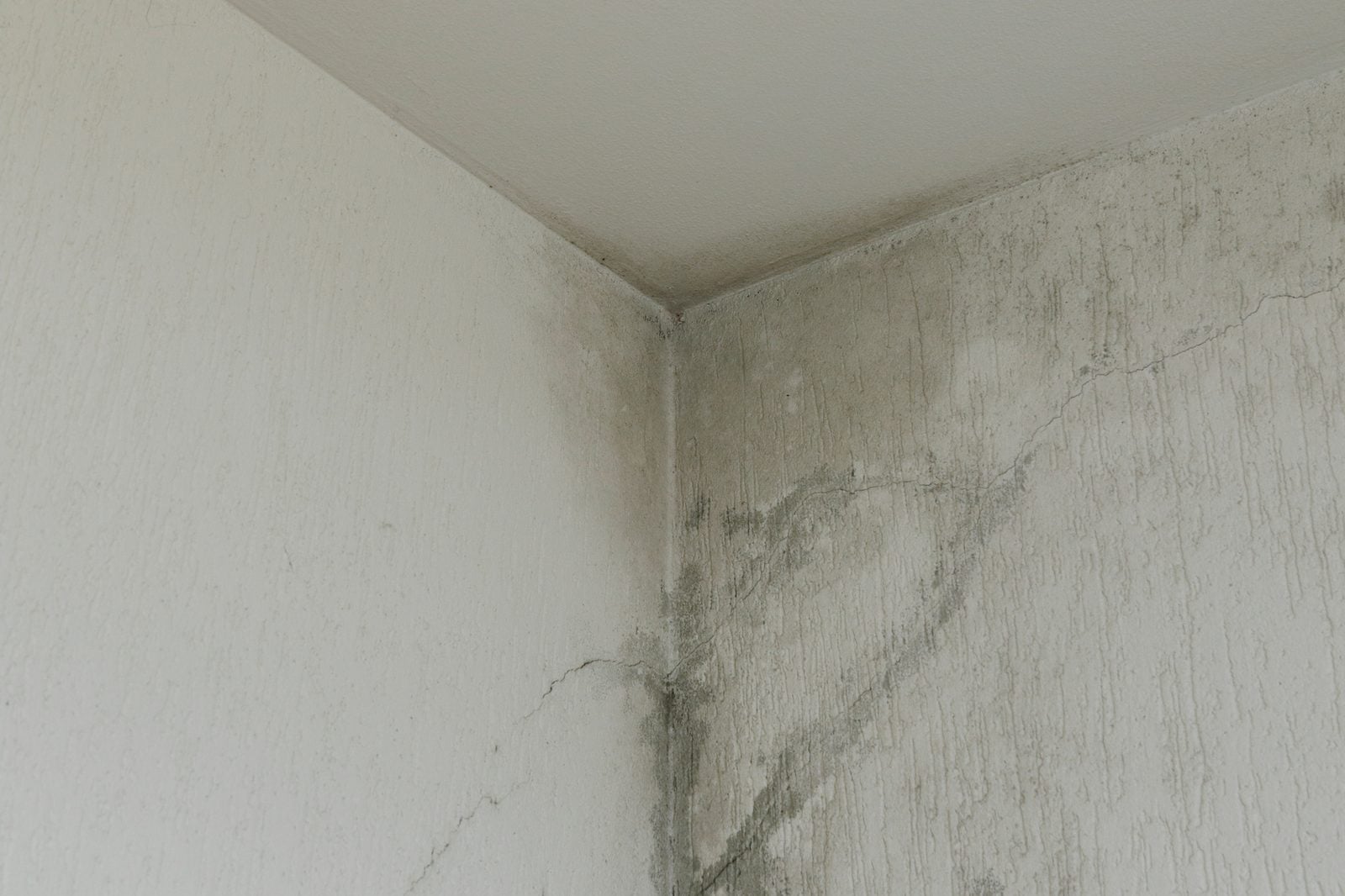
- Mold most often smells musty, earthy or stale. The odor comes from gases that actively growing mold gives off.
- A musty smell with no visible growth often means moisture is hiding behind a wall, under flooring, or in the air conditioning system.
- The Florida Department of Health does not recommend mold testing or sampling to see if you have a mold problem.
- The Florida Department of Health advises cleaning up spills and drying wet building materials and carpets no more than 24 hours after they get wet.
- The Florida Department of Health says most experts suggest indoor relative humidity below 60%, and below 50% for controlling both mold growth and dust mites.
What does mold smell like in a house?
Mold in a Fort Lauderdale house usually smells musty, earthy and stale. People describe it as wet socks, damp cardboard, old books or a towel left in the washer too long. The smell is often strongest in closed rooms, closets and cabinets, or right after the air conditioning kicks on.
The odor comes from gases that mold releases while it grows, which is why a small patch inside a wall can make a whole closet smell stale. The smell shifts a little by material:
- Drywall and wood: a heavy, earthy, basement smell.
- Carpet and padding: a sour, wet-rag smell, worse on humid days.
- Air conditioning: a stale, dirty-sock smell when the system starts.
- Closets: a dusty, old-attic smell on clothes and shoes.
Why does my home smell musty if I cannot see any mold?
A musty smell in a Fort Lauderdale home with no visible mold usually means growth is hidden where water collects and air does not move. The odor travels through outlets, gaps and the AC system.
Common hidden spots include:
- The back side of drywall near a shower, tub, toilet or washer.
- Under kitchen and bathroom sinks, behind cabinet toe kicks.
- Inside the air handler, drain pan or duct connections.
- Under carpet or laminate that got wet.
- Around window and sliding door frames, and in the attic above a slow roof leak.
For more warning signs, see Signs of Hidden Mold in Your Home.
Is a musty smell always mold, or could it be something else?
Not always. A musty smell in a Fort Lauderdale home is very often mold or mildew, but a few other things smell similar. Rule these out first.
- Dry drain traps: an unused drain can let sewer gas in, which smells more like rotten eggs. Run water for a minute to refill the trap.
- Wet laundry: damp towels in a hamper or washer sour fast in humid air.
- A dirty AC filter or drain line: these can smell musty on their own.
If the earthy smell keeps coming back after rain or on humid days, treat it as hidden moisture until you know otherwise.
Need help now? Call to be connected with a local provider in Fort Lauderdale who can check availability for your address.
What should I do right now if I smell mold?
If you smell mold in your Fort Lauderdale home, find and stop the moisture first, then dry the area. Skip air fresheners and bleach for now. Covering the odor hides the clue that leads you to the source.
- Follow your nose. With the AC running, note where the smell is strongest: a closet, cabinet, corner or vent.
- Look for water. Check under sinks, the toilet base, the water heater, the AC closet, window sills and ceilings for stains or soft spots.
- Stop the source. Shut off a leaking valve or clear a clogged AC drain line if it is safe to do so.
- Dry it fast. The Florida Department of Health advises drying wet building materials and carpets no more than 24 hours after they get wet. Use fans, the AC and a dehumidifier.
- Leave hidden growth alone. Do not cut into walls or pull up flooring to look. That can spread it.
If the smell does not fade once the area is dry, call to be connected with a local provider.
Is it safe to stay in a house that smells like mold?
Most people can stay in a Fort Lauderdale home that smells musty while the moisture gets sorted out, but public health guidance says indoor mold growth should be found and removed rather than lived with. A smell is a sign to act, not something to get used to.
Some people are more sensitive to mold than others. If anyone in the home has allergies, asthma or another breathing concern, talk with a doctor, and keep them away from any cleanup. See mold inspection in Fort Lauderdale for how the source gets tracked down.
Do I need a mold test if my house smells like mold?
Usually not. The Florida Department of Health does not recommend mold testing or sampling to see if you have a mold problem. If your Fort Lauderdale home smells musty and you can find damp materials, that is enough to act on: fix the water and remove or clean the growth.
An inspection is useful for finding where the smell comes from, using moisture meters and a careful look at likely trouble spots. That is different from lab testing for mold types, which does not change the basic fix.
When should I call about a mold smell?
Call when the musty smell in your Fort Lauderdale home lasts after you have dried things out, keeps coming back, or points to a place you cannot safely reach. Common signs:
- The smell returns every time the AC runs or after every rain.
- Drywall, baseboards or ceilings look stained, soft or warped.
- You had a roof leak, pipe leak, storm or flood in recent months.
- Visible growth covers a large area. Under section 468.8411, Florida Statutes, mold assessment and mold remediation cover mold growth of more than 10 square feet.
- Someone in the home is sensitive and should not be near the cleanup.
Call to be connected with a local provider. If the smell comes from vents, see HVAC and duct mold cleaning.
What happens during the visit?
When you call, you are connected with a local provider who comes out to track down the smell. A visit about a mold odor in a Fort Lauderdale home usually goes like this:
- Inspection: a walk-through of the rooms where the smell is strongest and a look at plumbing, the AC system, windows and the roof line, often with a moisture meter.
- Explanation of options: what is likely causing the smell and whether damp materials should be cleaned or removed.
- Written quote before work: you get the scope in writing before anything starts, so you can decide.
Timing depends on the provider and the job.
Why mold smells are so common in Fort Lauderdale homes
Fort Lauderdale homes deal with damp air and wet ground for much of the year, so musty smells are common. The National Weather Service in Miami defines the South Florida wet season as May 15th to October 15th, the time of year when 60-70% of the average yearly rainfall occurs. The Atlantic hurricane season runs from June 1 to November 30, and storm rain can get past roofs, windows and sliding doors.
Water also sits close to the surface here. The City of Fort Lauderdale says its low elevation and extensive waterways make it highly vulnerable to king tides and sea-level rise, and that high groundwater levels after rain can increase the chance of localized flooding during high tides. Wet ground and humid air keep slabs, closets and lower walls slow to dry, and that is where musty smells start.
Owners in Davie, Pembroke Pines, Hollywood and Coral Springs often first notice a mold smell in closets or AC closets after the summer rains. If you need help finding the source, call to be connected with a local provider, or see our Davie and service areas pages.
Related pages
Questions people ask
What does mold smell like in a house?
Mold in a house usually smells musty, earthy and stale, like damp cardboard, wet socks or an old basement. In Fort Lauderdale homes the smell is often strongest in closets, cabinets and near the AC closet.
What does black mold smell like compared to other mold?
Black mold smells about the same as other common molds: musty and earthy. You cannot tell the type of mold from the smell, so treat any musty odor as a moisture problem to track down.
Why does my closet smell musty all of a sudden?
A closet that suddenly smells musty usually has moisture from a nearby leak, a wet exterior wall, or humid air with no airflow. Check the walls and floor for damp spots and pull clothes away from the walls.
Why does my AC smell like mold when it turns on?
An AC that smells musty at startup often has moisture and growth in the drain pan, coil area or condensate line. Change the filter and check that the drain line is flowing. If the smell continues, have the system looked at.
Can you smell mold behind a wall?
Yes, you can often smell mold behind a wall before you see it. The odor slips through outlets, baseboard gaps and wall cavities, so a musty smell in one corner is a common clue to a hidden leak.
How do I get rid of a mold smell in my house?
Get rid of a mold smell by fixing the moisture and removing the growth, not by covering the odor. Dry wet materials, lower indoor humidity, clean small surface spots, and replace soaked drywall, carpet or padding that cannot be dried.
Is it dangerous to breathe in a mold smell?
Public health agencies advise removing indoor mold growth rather than living with it, and some people are more sensitive than others. If anyone in the home has allergies, asthma or breathing concerns, talk with a doctor and keep them away from the cleanup.
Should I test for mold if my Fort Lauderdale house smells musty?
Usually not. The Florida Department of Health does not recommend mold testing or sampling to see if you have a mold problem. Focus on finding the moisture, which an inspection with a moisture meter can help with.
Why does my house smell like mold after it rains in Fort Lauderdale?
A mold smell after rain usually means water is getting in through a roof, window, sliding door or exterior wall, or that high groundwater is keeping a slab damp. Check where the smell is strongest for stains or soft spots.
What humidity level stops that musty smell in a Florida home?
Keeping indoor humidity low helps a lot. The Florida Department of Health says most experts suggest indoor relative humidity below 60%, and below 50% for controlling both mold growth and dust mites.
How fast can mold start to smell after a leak?
Mold can start growing on wet materials quickly, which is why the Florida Department of Health advises drying wet building materials and carpets no more than 24 hours after they get wet. The sooner you dry things, the less chance a smell develops.
Do I need a licensed company if I smell mold in Florida?
It depends on the size of the job. Under section 468.8411, Florida Statutes, mold assessment and remediation cover growth of more than 10 square feet, and DBPR licenses mold assessors and remediators. A residential owner working on his or her own property is exempt from those licensing provisions.
How can I check a Florida mold inspector's license?
You can look up Florida mold assessors and remediators in DBPR's Verify a License search. DBPR licenses individuals, not businesses, so check the name of the person doing the work.
Can the same person inspect and remove the mold causing the smell?
Usually not within a year. DBPR's FAQ says a mold assessor may not remediate a structure the assessor or the assessor's company assessed within the last 12 months, and the same limit applies the other way for remediators.
What happens when I call about a mold smell in my home?
You are connected with a local provider who inspects the area, explains what is likely causing the smell and your options, and gives you a written quote before any work starts. Timing depends on the provider and the job.
Talk to someone about your mold problem
Call to be connected with a local provider who can check availability for your address and explain the next step.