Crawl Space Mold Removal in Fort Lauderdale
Crawl space mold removal in Fort Lauderdale is a job for raised homes, since slab homes have no crawl space under them. Mold grows there when damp air, standing water or a leak keeps wood wet. The moisture source has to be fixed first. If you see growth or smell must, call to be connected with a local provider.
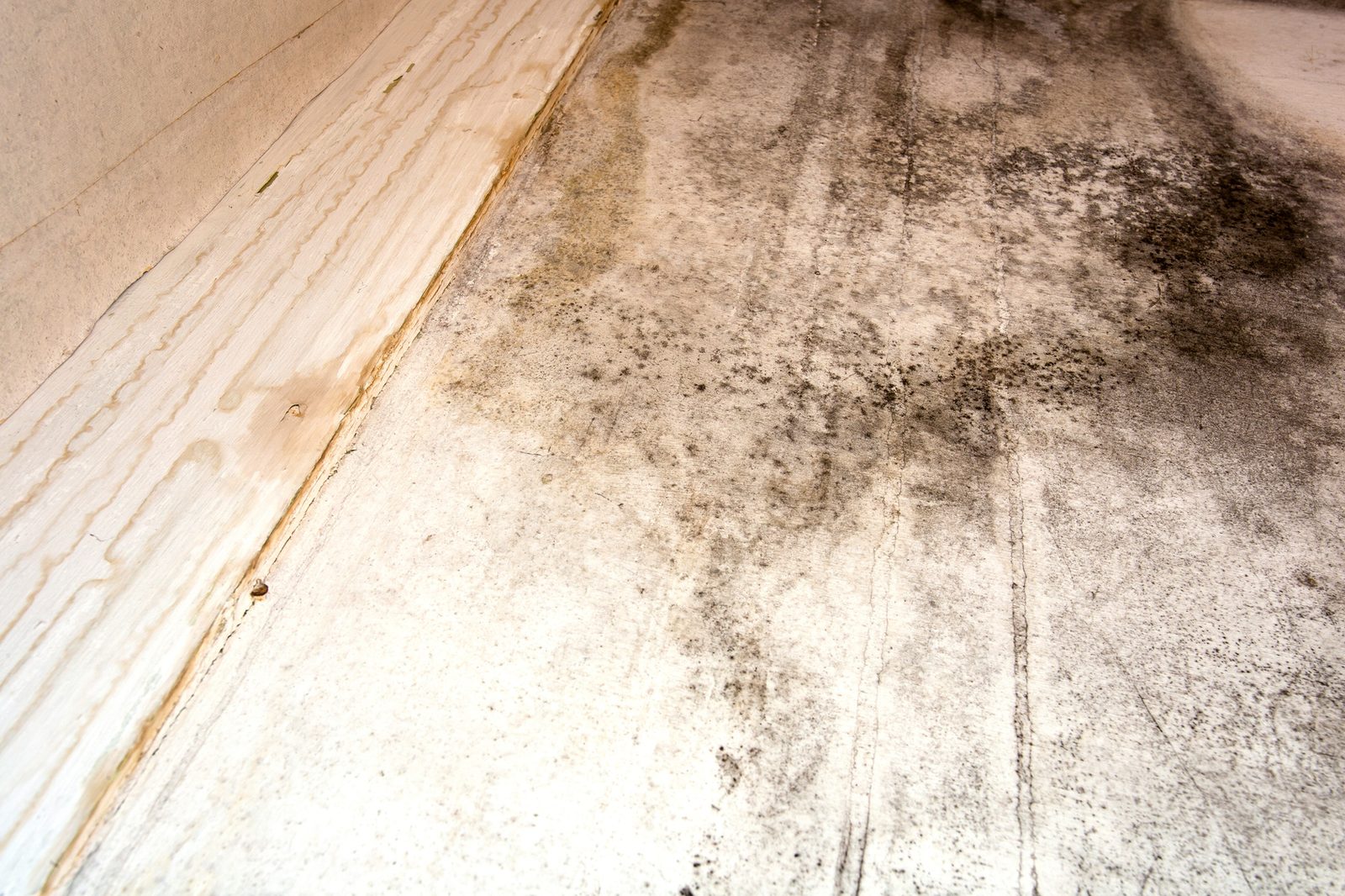
- Many homes are built on a concrete slab and have no crawl space. Raised homes on piers or stem walls have an open space underneath that can trap moisture.
- Crawl space mold grows where wood framing, subfloor or insulation stays damp, often from humid outdoor air, poor drainage or a plumbing leak.
- The Florida Department of Health says most experts suggest indoor relative humidity below 60%, and below 50% for controlling mold growth and dust mites.
- Under Florida law, mold assessment and mold remediation cover mold growth of more than 10 square feet.
- Removing mold without fixing the moisture usually means it grows back.
Does my Fort Lauderdale home even have a crawl space?
Maybe not. Many homes sit on a concrete slab poured right on the ground, so there is no space under the floor at all. Crawl spaces are found in raised homes, built on piers, block columns or stem walls with a short open area under the floor.
Quick ways to tell:
- Look for vents, small access doors or lattice panels along the base of the outside walls.
- Check for a hatch in a closet floor or hallway.
- Notice whether the floor sounds hollow or has a little give when you walk on it.
If your home is on a slab, a musty smell near the floor usually points to something else, such as a wet wall, a leaking AC drain or flooring that trapped water. Our page on signs of hidden mold covers those spots.
What causes mold in a crawl space in a South Florida home?
Mold in a crawl space in a South Florida home grows because the space stays damp. Warm, humid outdoor air drifts in through vents and meets cooler surfaces under an air-conditioned floor. Water can then form on wood, ducts and pipes. Add rain that pools under the house and you have steady moisture.
Common sources:
- Rain runoff and poor grading that send water under the home
- A slow leak from a supply line, drain pipe or water heater
- Sweating AC ducts or a clogged condensate line
- Bare soil with no vapor barrier, which gives off moisture all the time
- Blocked or damaged vents that stop the space from drying
What are the signs I need crawl space mold removal?
The signs you need crawl space mold removal are a musty smell inside the home, white, green or black growth on wood joists or the subfloor, and insulation that sags or feels wet. Soft or cupped floors, rust on metal straps and higher humidity indoors are other clues.
Inside the house, you may notice:
- A damp, earthy odor that is strongest near the floor or vents
- Wood floors that warp, cup or feel spongy
- Gaps or stains where the floor meets the wall
Crawl spaces are tight and hard to see into.
Need help now? Call to be connected with a local provider in Fort Lauderdale who can check availability for your address.
Is it safe to clean crawl space mold myself?
Small, easy-to-reach spots near the hatch can sometimes be cleaned by a careful owner, but most crawl space mold is hard to reach, spread over a large area and mixed with wet insulation. That is when it makes sense to call to be connected with a local provider in Fort Lauderdale.
Moving through a tight crawl space can stir up dust and spores. Florida law exempts a residential property owner who does mold assessment or remediation on his or her own property from the state's mold licensing rules. That does not make every job a safe DIY job. If you have breathing concerns, let someone else handle it.
Never mix bleach with ammonia or other cleaners. Bleach also does not soak into wood, so it often leaves mold below the surface.
How does crawl space mold removal work?
Crawl space mold removal usually starts with finding and stopping the moisture, then removing damaged materials, cleaning the framing and drying the space. The goal is to get the wood dry and keep it dry, not just to make it look clean.
A typical scope can include:
- Fixing leaks and clearing standing water
- Pulling out wet or moldy insulation and debris
- Cleaning or treating mold on joists, beams and subfloor
- Drying the wood with fans or dehumidifiers
- Adding or replacing a vapor barrier over bare soil
- Improving drainage or venting, or discussing whether to seal the space
Badly decayed wood may need repair by a contractor. Ask about this up front so the plan covers it. For more on the steps, see mold removal in Fort Lauderdale.
Should a crawl space be vented or sealed in a humid climate?
It depends on the house. In a humid climate like Fort Lauderdale, open vents can let damp outdoor air into the crawl space, which is why some owners look at sealing the space with a vapor barrier and controlled drying. Others keep vents open and fix drainage. A local provider can explain the choices for your home.
Things that affect the choice:
- Whether water ever floods under the home during heavy rain
- How close the floor is to the ground
- Where the ducts and AC equipment are
Do I need mold testing before crawl space mold removal?
Usually not. If you can see mold in the crawl space, you already know it is there. The Florida Department of Health does not recommend mold testing or sampling to see if you have a mold problem.
An assessment can still help when mold may be spreading into the living space, when you are buying or selling, or when you want a written scope. The mold inspection page explains what that covers.
What happens during the visit?
When you call, you are connected with a local provider who looks at the crawl space and the rooms above it. A visit for crawl space mold in Fort Lauderdale usually follows this order:
- Inspection: a look through the access, checks for standing water, wet wood, leaks, insulation and vents, and moisture readings where needed.
- Explanation of options: what is causing the moisture, what material needs to come out, and whether drying, a vapor barrier or venting changes make sense.
- Written quote before work: you get the scope in writing before anything starts, so you can decide.
Ask how they plan to keep the moisture from coming back. Timing depends on the provider and the job.
Why crawl spaces stay damp in Fort Lauderdale
Raised homes in Fort Lauderdale deal with water from above and below. The National Weather Service in Miami defines the South Florida wet season as May 15th to October 15th, the time of year when 60-70% of the average yearly rainfall occurs. The official Atlantic hurricane season runs from June 1 to November 30, so storms can push even more water under a house.
Groundwater is a factor too. The City of Fort Lauderdale says high groundwater levels after rain can increase the chance of localized flooding during high tides. The city also says its low elevation and extensive waterways make it highly vulnerable to king tides and sea-level rise. A crawl space that sits close to the ground can stay wet long after the rain stops.
The Florida Department of Health advises drying wet building materials and carpets no more than 24 hours after they get wet. That is hard to do under a house. If you own a raised home in Fort Lauderdale, Wilton Manors, Oakland Park or Hollywood and see signs of mold below the floor, call to be connected with a local provider. You can also see our Wilton Manors and service areas pages.
Related pages
Questions people ask
How much does crawl space mold removal cost in Fort Lauderdale?
Crawl space mold removal in Fort Lauderdale is priced by the job, so it depends on how much area is affected, how easy the space is to reach, and whether insulation, wood or a vapor barrier needs work. Ask for a written quote before work starts.
How common are crawl spaces in Fort Lauderdale homes?
It varies by house. Many homes are built on a concrete slab with no crawl space, while raised homes on piers or stem walls have one. Checking the outside walls for vents or access doors is the quickest way to know.
How do I know if my house is on a slab or a crawl space?
Look for vents or access doors along the base of the outside walls, or a floor hatch inside. If the floor is level with the ground and feels solid everywhere, it is likely a slab.
What does mold in a crawl space look like?
Crawl space mold often looks like white fuzz, green or black spots, or dark staining on wood joists and the underside of the subfloor. Wet, sagging insulation is a common place for it too.
Why does my house smell musty but I can't find any mold?
A musty smell with no visible mold often means mold is hidden in a crawl space, wall or duct. In a raised Fort Lauderdale home, the space under the floor is a good place to check first.
Can mold in the crawl space get into the rest of the house?
Air from a crawl space can move up into the home through gaps in the floor, plumbing openings and ducts. That is one reason to fix crawl space moisture and mold instead of ignoring it.
Is crawl space mold dangerous to my family?
Mold can bother some people, and public health agencies advise fixing the moisture and cleaning up the mold. If you have health concerns, talk with a doctor; this page does not give medical advice.
Can I spray bleach in my crawl space to kill mold?
Bleach is not a good fit for crawl space wood. It stays on the surface, adds more water, and does nothing about the moisture that caused the mold. Never mix bleach with ammonia or other cleaners.
Will a dehumidifier stop mold in my crawl space?
A dehumidifier can help keep a sealed crawl space dry, but it will not fix a leak or water pooling under the house. Moisture sources need to be stopped first.
Does a vapor barrier prevent crawl space mold?
A vapor barrier over bare soil cuts down the moisture that rises from the ground, which helps. It works when drainage, leaks and air movement are handled too.
What humidity should a crawl space be in Florida?
There is no single number for crawl spaces in the Florida Department of Health guidance. For indoor air, it says most experts suggest relative humidity below 60%, and below 50% is better for controlling mold.
Do I need a licensed mold remediator for crawl space mold in Florida?
Florida's mold licensing rules cover mold assessment and remediation of more than 10 square feet, and DBPR licenses individuals, not businesses. A residential owner working on his or her own property is exempt.
Can the same company test and remove mold in my crawl space in Florida?
Usually not. DBPR's FAQ says a mold assessor may not remediate a structure they or their company assessed within the last 12 months, and a remediator may not assess a structure they remediated within that time. The statute has some exceptions.
Why does crawl space mold come back after it was removed?
It comes back when the moisture was never fixed. A leak, poor drainage, missing vapor barrier or humid air coming in through vents will keep the wood damp and let mold regrow.
Should I deal with crawl space mold before selling my Fort Lauderdale home?
Buyers' inspectors often look under raised homes, so mold or wet wood may come up. Getting the moisture source checked early gives you time to decide how to handle it.
What happens when I call about crawl space mold removal?
You are connected with a local provider in Fort Lauderdale who inspects the crawl space, explains your options, and gives you a written quote before any work starts.
Talk to someone about your mold problem
Call to be connected with a local provider who can check availability for your address and explain the next step.